
Boarding & Full Training
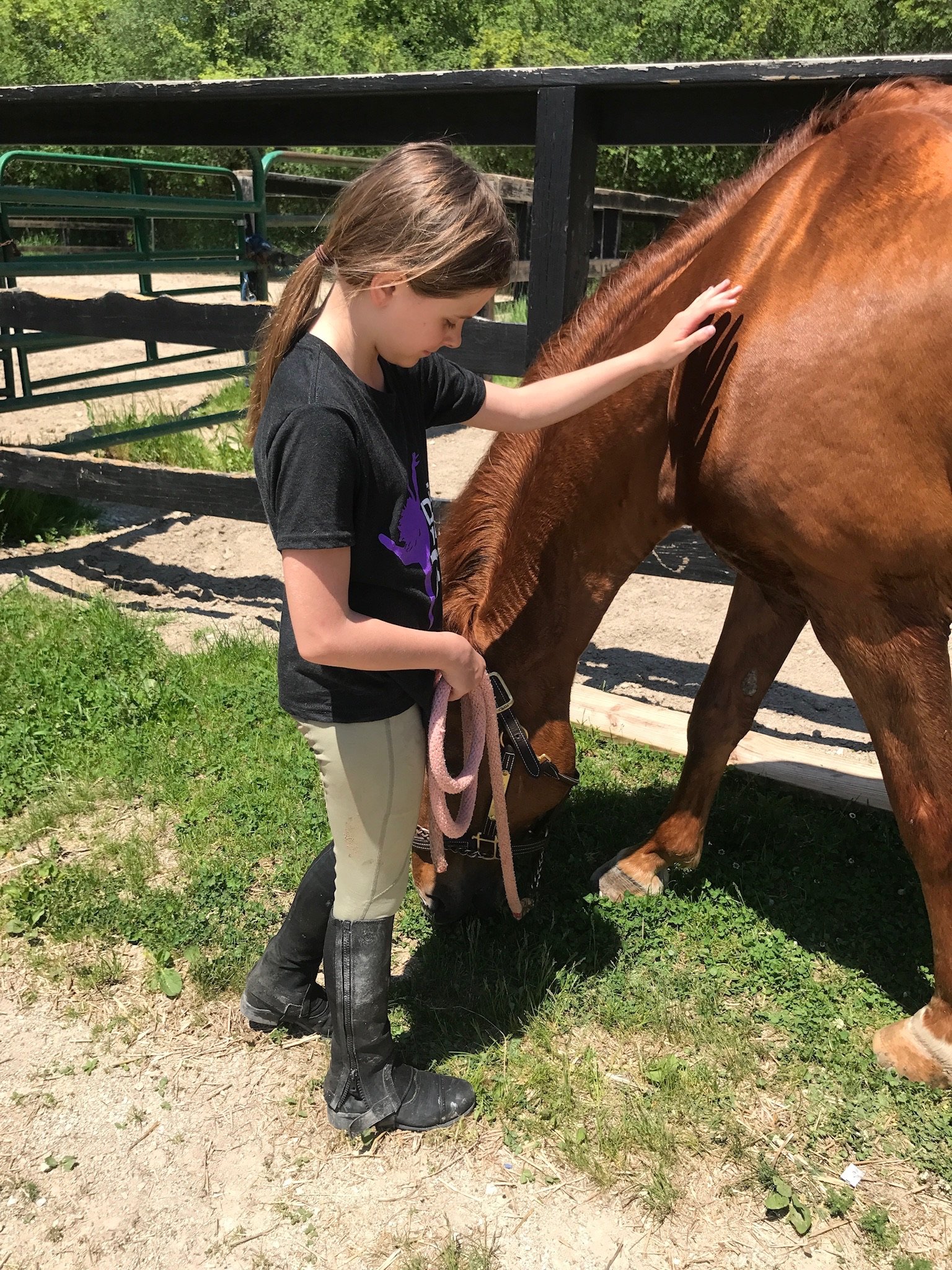
A complete program designed for the well-being and development of every horse.
At Speak Kindly, we believe that true progress begins with consistency, understanding, and care.
Our training and boarding program is designed to support each horse’s physical, mental, and emotional health while developing balance, strength, and confidence. Every horse in our program is in full training — allowing us to create thoughtful, individualized plans that meet each horse where they are and help them reach their full potential.
Full Training Program
Comprehensive, consistent, and completely tailored.
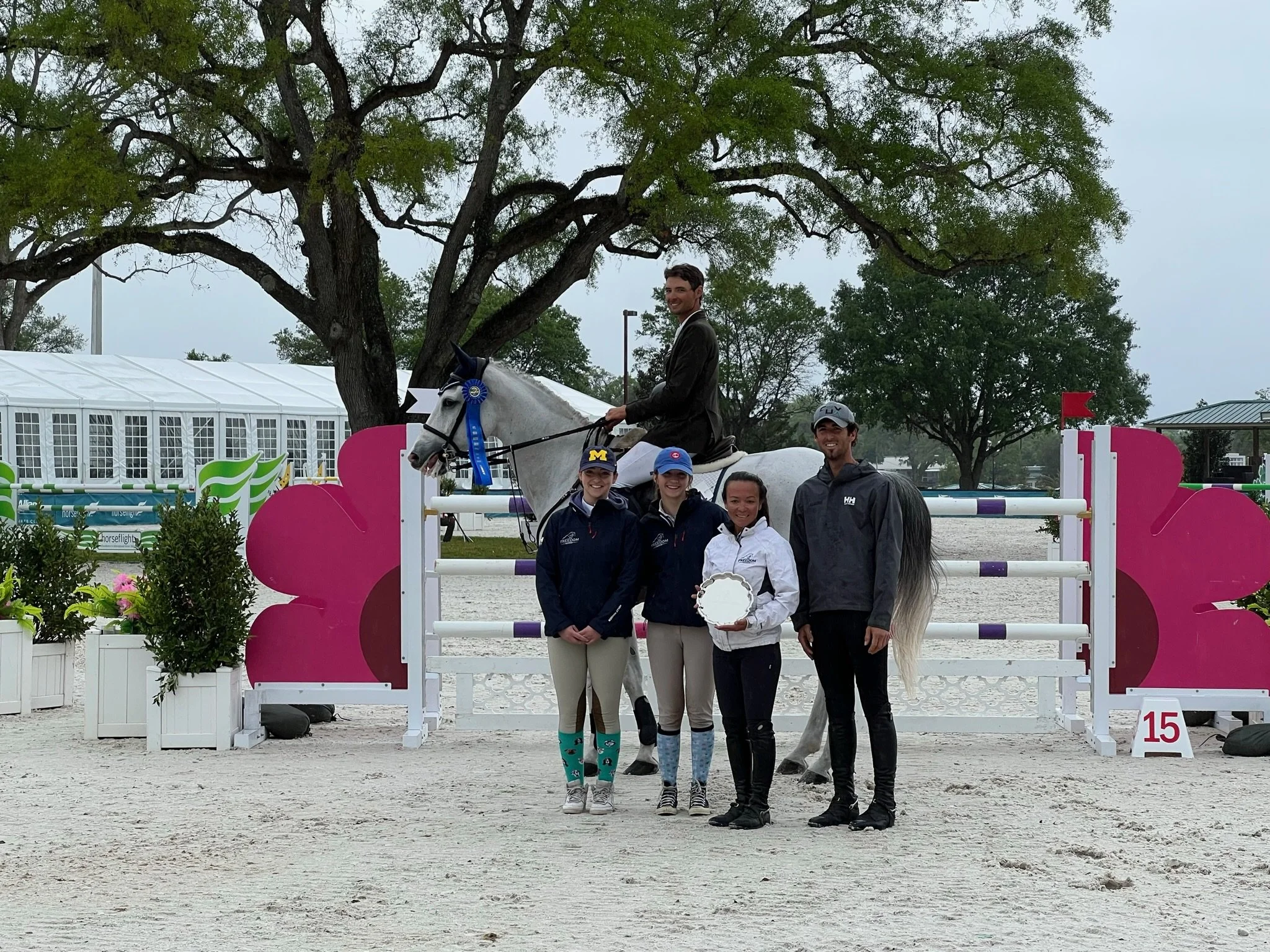
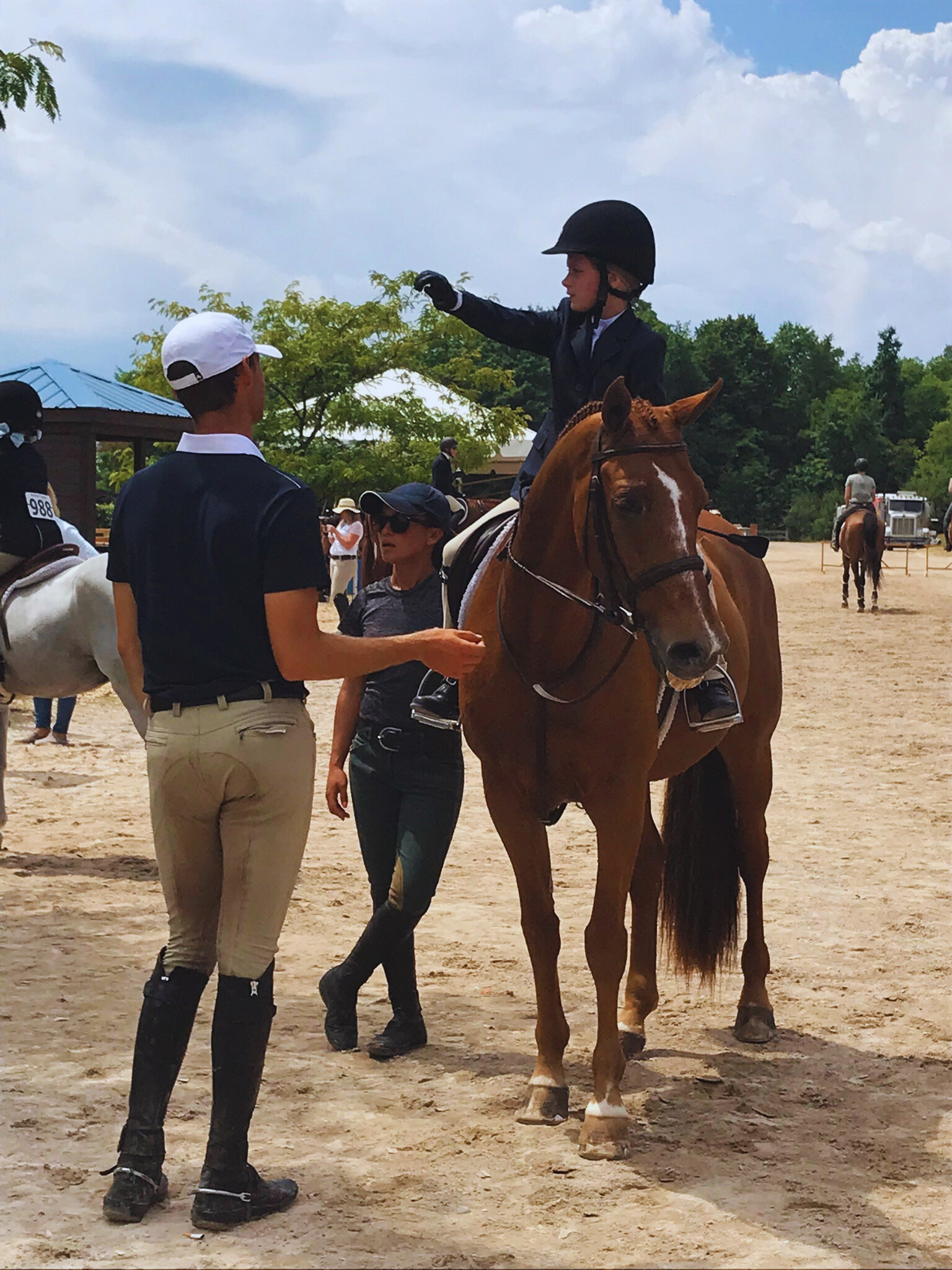
Our full training program includes all riding, lessons, and schooling to ensure each horse receives professional guidance every step of the way.
Training focuses on biomechanics, balance, and timing — developing horses that are strong, sound, and confident in their work. We value long-term progress over quick fixes, and our approach emphasizes correct development, clear communication, and mutual trust between horse and rider.
Whether a horse is in the early stages of training or refining advanced work, each receives the same attention to detail, patience, and respect. Every ride is purposeful, every lesson intentional.
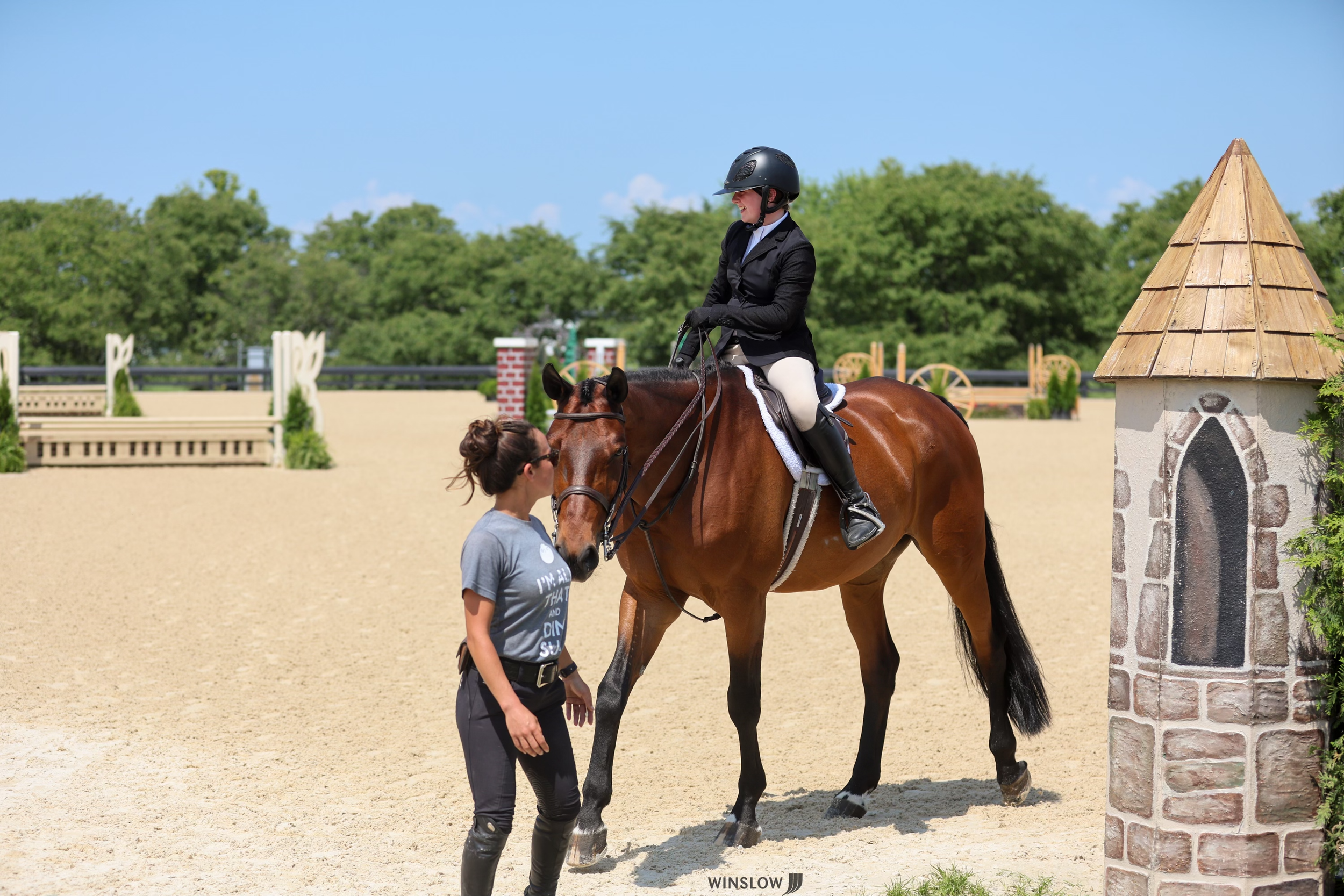
What makes us different
Daily care managed by professionals, supported by student involvement.
We oversee every aspect of the horses’ care — from feeding and turnout to health management and conditioning — ensuring that each horse’s needs are met with consistency and professional care.
While our team manages the overall care program, our students take an active role in the day-to-day work of horsemanship — learning how to groom, tack, bathe, clean tack, and care for their horses properly and confidently.
Through this hands-on approach, riders not only develop better understanding and timing in the saddle, but also gain a sense of responsibility, attention to detail, and pride in their work. These lessons extend far beyond the barn — teaching patience, accountability, and life skills that stay with them long after they leave the arena.
By combining professional management with active learning, we help horses thrive and riders grow into knowledgeable, capable partners.
Hands-on horsemanship with full professional guidance.
Many programs separate training from horse care. At Speak Kindly, we believe they are one and the same.
Our riders learn through doing — supported by a team that values education as much as execution. Every detail of our program is designed to benefit the horse first, and from that foundation, everything else follows: better performance, sounder bodies, and stronger partnerships.
This blend of structure and independence allows riders to develop both skill and stewardship — the qualities that define true horsemanship.
-

It's about the Horse
A horse, much like any athlete, requires a comprehensive approach to maintaining its health and well-being. This involves careful attention to nutrition, exercise, training, and overall management.
A balanced regime that includes proper nutrition, regular exercise, time for grazing, rest, and enrichment can support a horse in leading a healthy lifestyle akin to that of an athlete. Monitoring and adjusting the program for each horse is essential for ensuring their health, performance, and overall well-being. A horse’s training regimen should be tailored to their individual needs, which can vary based on factors such as workload, age, fitness level, and any medical conditions.
This holistic approach promotes optimal performance, longevity, and quality of life for the horse.
-

It's about the rider
The rider must cultivate both mental and physical fitness to ensure effective communication and connection with the horse. This involves not only maintaining personal health through regular exercise but also developing patience and empathy during the learning process. Understanding the horse requires a deep awareness of its needs and responses, which can only be achieved through consistent practice and reflection.
Physical fitness is crucial for controlling posture and balance. A rider's body influences the horse's movements significantly; therefore, a strong core and good balance are essential. Riders should engage in exercises that enhance flexibility, strength, and coordination to improve their riding skills.
A rider must stay mentally present, adapting to their horse's cues and changing needs. This mental agility fosters a compassionate approach, allowing the rider to build trust and understanding.
-

It's about the relationship
A relationship founded on patience and respect creates a solid groundwork for mutual understanding and growth. This foundation encourages individuals to assess their own needs and boundaries, fostering a sense of awareness that is crucial for both partners.
A rider needs to be dedicated to deepening their understanding of the horse’s behavior and instincts. This pursuit establishes a connection that transcends spoken language, relying instead on subtle cues and empathetic awareness.
This ongoing pursuit improves your riding and enriches the overall experience shared between horse and rider, leading to a more fulfilling partnership centered on mutual respect and connection.


Our Program.
Focuses on ensuring that our horses ARE well schooled, conditioned, and content in their work so that our students can concentrate on improving their skills and progressing towards their goals.


